

Sony Alpha A7R IV
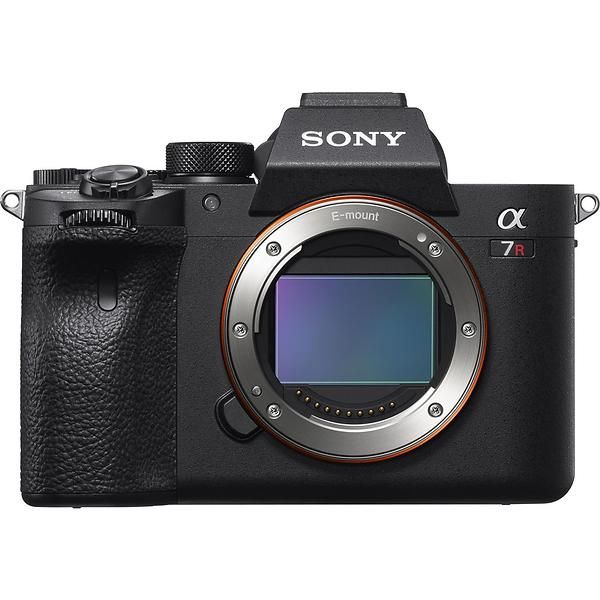
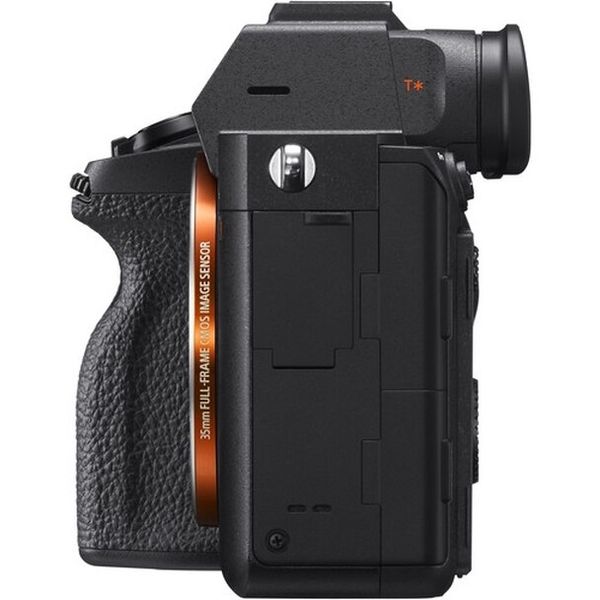
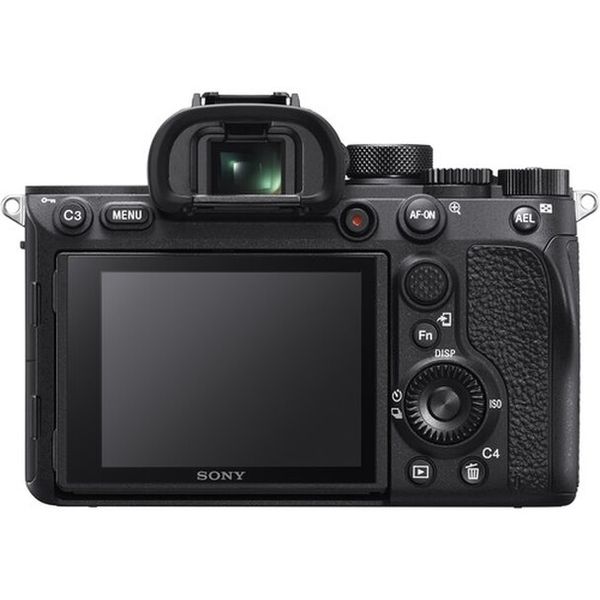
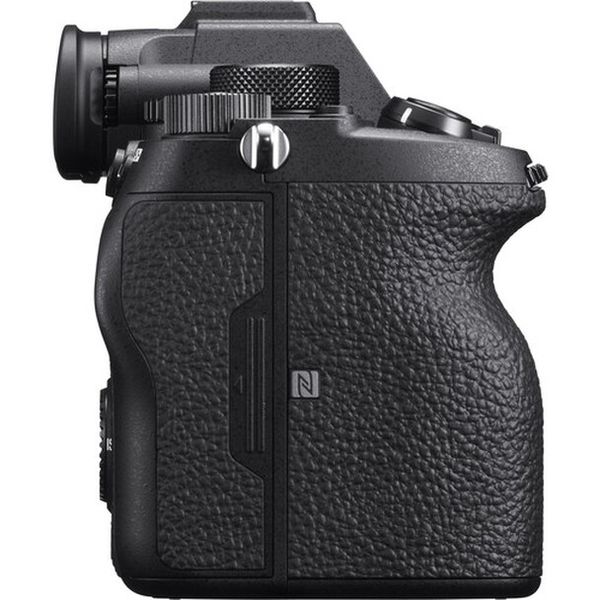
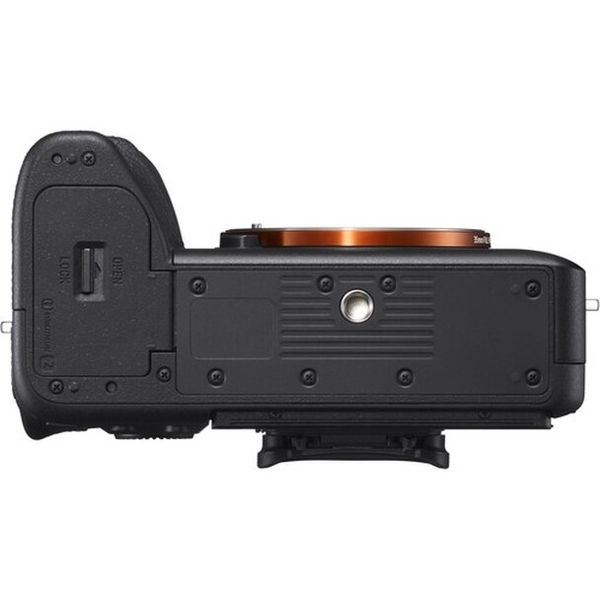
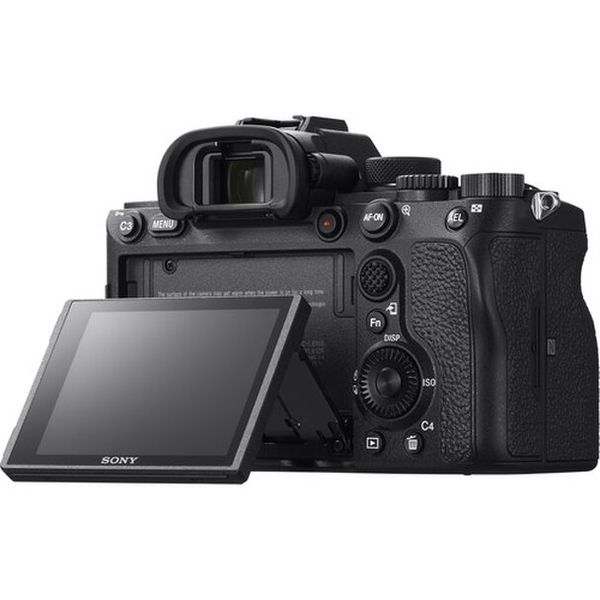
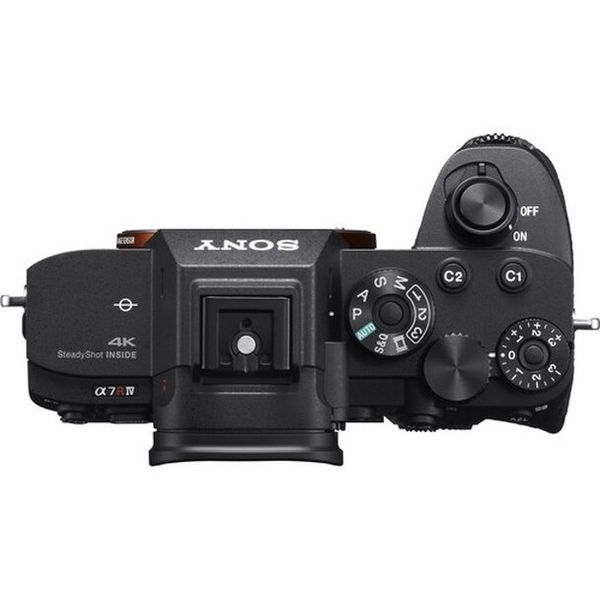
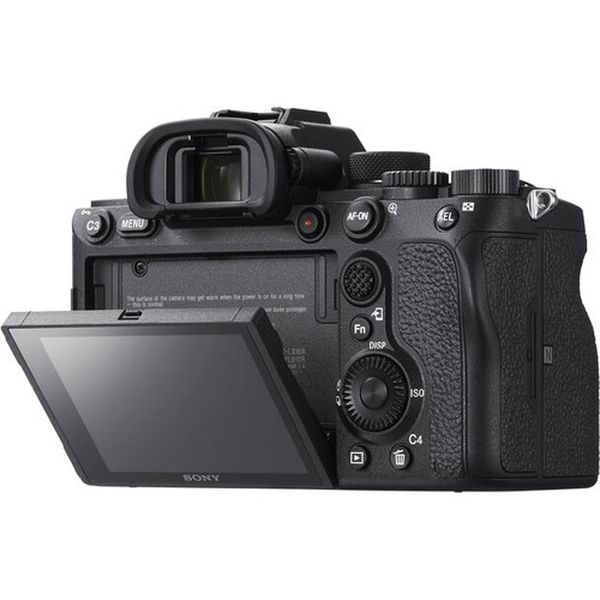

Sony a7R IV is the 4th generation of the A7R series. It is a successor to the a7R III.
This product gets many new improvements. It has a 60 MP sensor that allows images in 26.2 MP resolution in APS-C crop mode. It sports 567 phase-detection AutoFocus points with 74% coverage. Moreover, it provides an improved grip and controls for better handling and ergonomics. What about networking and file-sharing? It uses USB 3.2 for faster transfer speeds, while its predecessor uses USB 3.1. Its Dual-band WiFi supports 5 GHz band. The hot shoe has a digital audio interface for an external digital microphone.
A newer model Sony Alpha A7R V was released in October 2022.
 $2,980.00 - $3,299.00
Reviews
Show product page
Sony A7R IV hands-on review: 61 glorious megapixels
Want a great deal on the Sony A7R IV, or another digital camera, this holiday? Check out our favorite Black Friday camera deals. The Sony A7R IV is a 61-megapixel full-frame mirrorless camera. That statement is pretty incredible when you recall people jumped up-and-down over the 42MP A7R II just a few years ago. Yet here we are in 2019 and the numbers keep soaring into the stratosphere. Not that we’re complaining, mind you — especially since we got a chance to see what that resolution really means capturing a variety of subjects at the A7R IV launch event in New York City. Let’s set the table first. The new A7R IV arrives in September for $3,500. The samples we used were production-ready in terms of image quality, but the bodies and the attendant circuitry were a little squirrelly and likely to be updated before the cameras hit store shelves. Not that this impacted our shooting very much, but it does mean this is our initial hands-on impression and not a final review. The goods news is...- 61MP full-frame sensor
- 240MP pixel-shift mode
- 10 fps continuous shooting
- 4K video in full-width and crop modes
- Real-Time autofocus
- Benefits of 61MP may be limited
- Sony menus remain problematic

Sony A7R IV review: Here's to new resolutions
The Sony A7R Mark IV delivers medium-format-level detail without sacrificing on performance. And while you do pay a significant premium for the privilege, high-resolution mirrorless cameras don't get any better than this.- Huge resolution
- Extensive and capable AF system
- High resolution viewfinder
- Great battery life
- Limited touchscreen ability
- Restricted screen angle adjustment
- No 60p option in 4K or 10bit capture
- Body not a slim as it once was

Sony Alpha A7R Mark IV review
It seems that Sony has listened to its camera users when redesigning the new Sony A7r IV. Find out how...
Sony Alpha A7R Mark IV review
In some respects, the Sony A7R IV is the best mirrorless camera available at the moment. Its detail resolution and autofocus system are class-leading, but its price is also staggering.- Superb detail resolution, Excellent autofocus system, High-resolution electronic viewfinder
- Limited use made the touch-control, Tilting rather than vari-angle scree, High price

Sony Alpha A7R Mark IV review
If you're looking for a full-frame camera that delivers images which compete against medium format cameras, while also offering the advantages of the most diverse lineup of full-frame lenses on the market and incredibly reliable autofocus, then the A7R IV is the camera to get.- Highest resolution of any full-frame sensor, Impressive overall image quality, Best autofocus in its class, Best feature set in its class, Compact & lightweight VS medium format, Lens selection VS medium format, Best ergonomics in its class/lineage
- A7R III is already a very good, class-leading choice, May be less of a value compared to more affordable Sony's, Menus still complex & time-consuming, Buffer clearing still shuts down much of the camera, Ergonomics still have a few quirks

Sony a7R IV Review (Review Sony a7R IV)
The full-frame mirrorless Sony a7R IV outshines its high-resolution competition with an outstanding autofocus system and a superlative image sensor, delivering class-leading performance.- 60.2MP full-frame imaging., 10fps Raw capture., Real-Time Tracking autofocus., 5-axis image stabilization., Big, crisp EVF., Tilting touch LCD., Dual UHS-II slots.
- Lower-pixel cameras are better for video., Phase detection doesn't extend to edge of frame., Big file sizes.

