
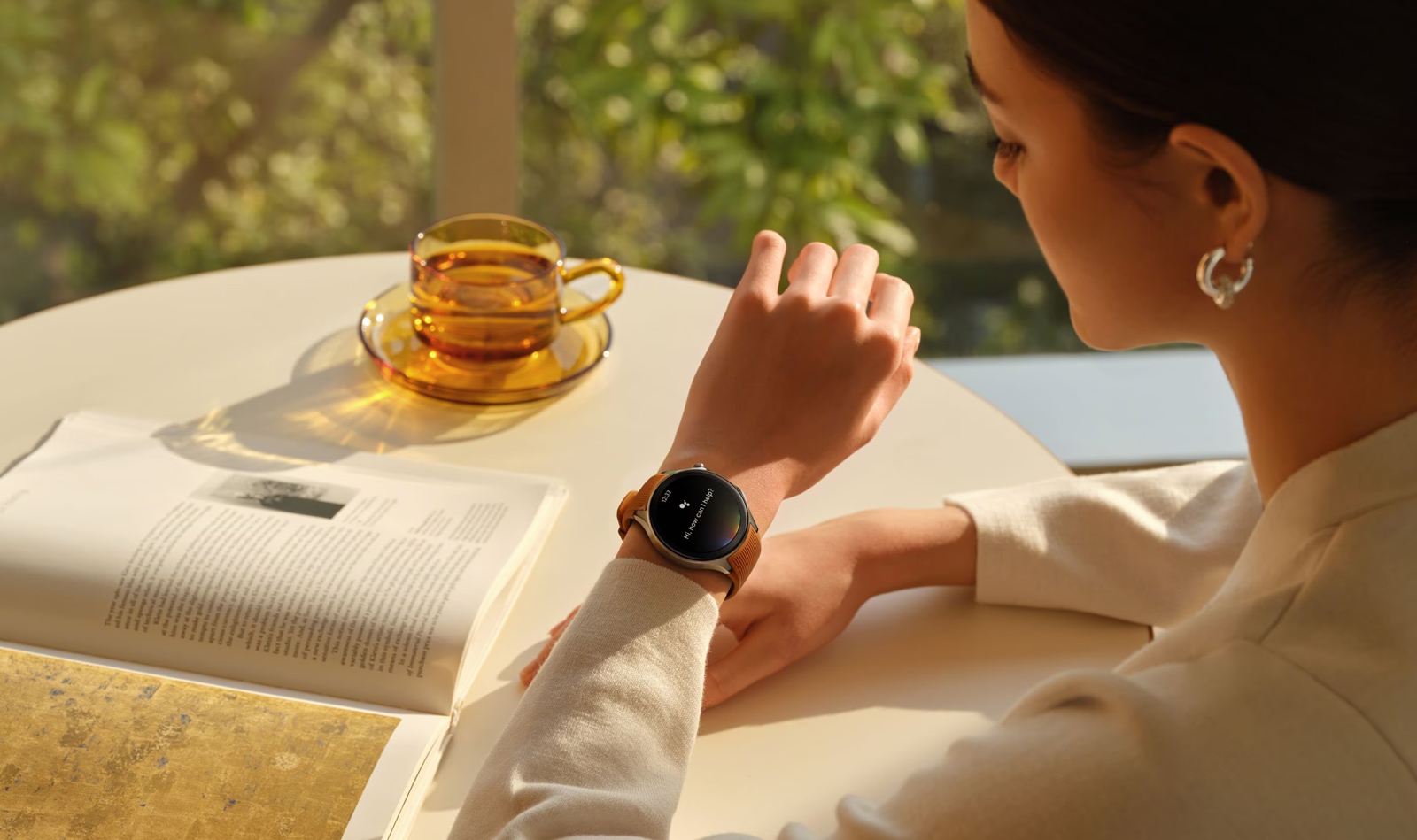


Smartwatches are no longer just a tech trend — they’re tools that help people stay organised, active and connected. From checking messages on the go to tracking workouts, monitoring sleep, or setting reminders, they save time and encourage healthier habits. For many Kiwis a smartwatch is like having a personal assistant, fitness coach, and daily planner stylishly wrapped around your wrist.
Whether you want to improve your health, track daily tasks, or just stop missing calls and texts, the right smartwatch can help with your everyday life.
With so many options available in New Zealand, it’s important to find a watch that fits your style, your phone and your budget. This guide breaks down the key features to look for and the best models that won't hurt your wallet in 2025.
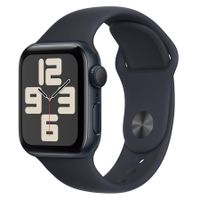
If you're in the Apple ecosystem, the Apple Watch SE is a smart and affordable way to stay connected. Its 1.5–2 day battery is better than the flagship, and it still gives you key features like Apple Pay, notifications, activity tracking and emergency SOS. It’s perfect for iPhone users who want the Apple Watch experience without the premium price. Lightweight, fast, and easy to use, it’s a reliable option for everyday tasks and wellbeing.
Pros:
- Seamless with iPhone
- Apple Pay, Siri, Health
- Great value
Cons:
- Doesn’t work with Android
- No ECG or always-on display
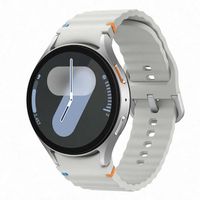
Samsung’s latest flagship, the Galaxy Watch 7, delivers solid performance in a sleek design. With 2–3 days of battery life, it’s a big improvement over earlier models, especially if you’re not using all the bells and whistles 24/7. It runs Wear OS and gives you access to Google apps like Maps, Gmail, and Assistant, Samsung Health and ECG tracking. Galaxy Watch 7 is a great all-rounder for Android users, especially those with Samsung phones.
Pros:
- Great app selection (Wear OS)
- Health tracking + ECG
- Fast, responsive interface
Cons:
- Daily charging for heavy users
- Works best with Samsung phones
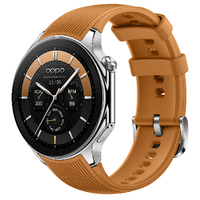
The Oppo Watch might fly under the radar in New Zealand, but it’s a solid mid-range option with 4–6 days of battery life. It combines Wear OS for smart features with a custom low-power mode that extends battery when needed. With a sharp display, fast charging, and a great design, it’s ideal for Android users looking for style and function without going full premium.
Pros:
- Premium design
- Dual OS (Wear OS + RTOS for battery save)
- Battery life
Cons:
- Not many accessories
- Some app limitations
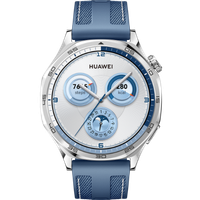
For those who hate daily charging, the Huawei Watch GT 5 is a dream. It offers up to 14 days of battery life, making it one of the longest-lasting smartwatches on the market. The AMOLED display is stunning, and the watch itself is packed with health tracking features: from heart rate to sleep and even stress monitoring. While its app ecosystem is limited and lacks Google apps, it’s a top pick for users focused on fitness, battery and value.
Pros:
- Outstanding battery life
- Accurate fitness tracking
- Beautiful AMOLED display
Cons:
- Limited app store
- No third-party app support (no Google apps)
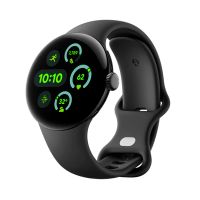
The Pixel Watch 3 is made for Android lovers who rely on Google’s ecosystem. You’ll get around 2 days of battery life, which is standard for most Wear OS watches. The real strength here is the smooth integration with Google apps — everything from turn-by-turn navigation on Google Maps to controlling smart home devices. You get serious health and fitness tools too, all in a clean, minimalist design that looks great on the wrist.
Pros:
- Deep Google integration (Maps, Gmail, Assistant)
- Built-in Fitbit tracking
Cons:
- Short battery life
- Limited support outside Pixel ecosystem
Smart Watch Buying Guide
The smart watch market spoils you for choice, but there is plenty to consider before you actually make that choice. It's not all about function. It's about fashion as well, as this buying guide will make clear.
First things first: compatibility
Your very first consideration when selecting a smart watch is compatibility. In other words, choose one that will work alongside your smart phone, be it Android or iOS. Granted, some Android Wear smart watches can work with an iPhone, and a few other ones can be used as phones in their own right. This can muddy the waters a bit when it comes to knowing what is compatible, and what isn't compatible, so make it the first thing you investigate while shopping around for a smartwatch.
How much life is in the battery?
As with any device that handles multiple functions and a high-tech display, a smart watch's battery has to work very hard. As technology improves, so does battery performance, but there's still quite a gulf between different batteries in different models. Like compatibility, battery performance should be a major factor in your purchasing decision.
Be happy with your apps
T- the range of apps on your smart watch is largely dictated by the operating system you use. So, if the apps you want aren't available on your current system, you may need to update your smart phone before you can update your watch.
A touchy subject
A small smart watch can make using a touch screen something of a challenge. For those of us with sausages for fingers, some smart watches now feature buttons to help you navigate through various functions without scrolling, or to zoom parts of the display.
You can wear it with style
As smart watches become more commonplace, the way they look becomes more traditional as well. An increasing number of smart watches don't actually look like smart watches; their looks hark back to classic two-hand watch design. This is a great selling point if you want the high-tech features a smart watch offers but do not want the futuristic "video game" look often associated with early models. Similarly, many watch straps are also a throwback to traditional designs — just be sure the strap is strong and robust.
Match the watch to your budget
As you'd expect in an ever-expanding market with an ever-expanding range of developments, smart watches vary greatly. Not just in the way they perform and look, but also in the way they're priced. The price often reflects the number of features the watch boasts. At this point, it might be a good idea to work out what features you want — and really need — in your new smart watch, and start from there. Why pay for features you'll never use? Be guided by the functionality you desire and the features you'll use when thinking about how much you're willing to pay for your new smart watch.