
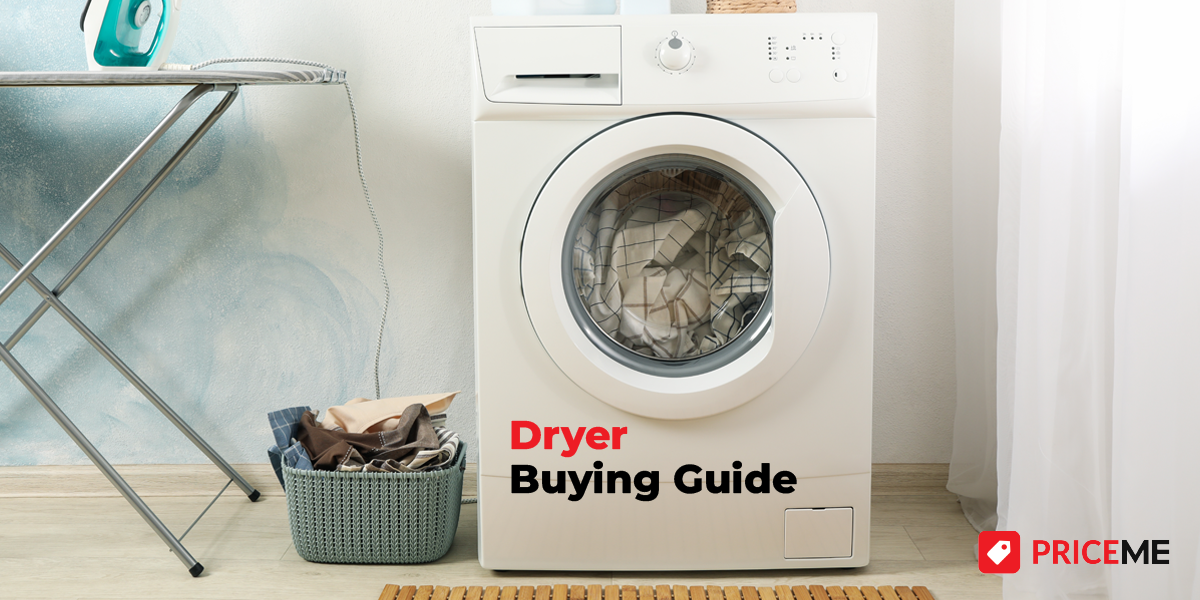


Clothes dryers can come in super handy on rainy days, during damp winters, and when you need laundry dried in a pinch. It’s important to choose the right model for effective and efficient drying of your clothes, without gobbling up too much energy.
Be sure to take in these considerations and features to make sure you invest in the machine that will work best for your laundry needs, and minimise its impact on your power bill.
Types of Clothes Dryers
Vented Dryers
Vented dryers work by sucking in air, heating the air, and blowing it through the laundry. The warm air evaporates the moisture from your laundry before blowing it out of the unit. Vented dryers are typically ducted outside, so they can easily take it and dispel air.
- Cheap to buy: For someone looking for a budget-friendly option, they can be a good choice.
- Pricier to run: They are less energy efficient than other types and more expensive to run long term.
- Space savers: They must be vented outside, but they can be stacked over your front loader washing machine making them a great choice for compact laundry space.
- Easy maintenance: Regularly cleaning of the lint filter will keep it running just fine!
Condenser Dryers
Condenser dryers use a heat exchanger to pull heat and moisture from the air that’s tumbled through your laundry. The moisture is collected and sent down a drain.
- Energy efficient: Save money on your power bill with this more energy efficient dryer type.
- No outdoor venting: You don’t need to vent condenser dryers outside. Just keep the window ajar. These dryers are ideal for apartments or homes that don’t have much space.
- More expensive to buy: Condenser dryers have a higher price tag than vented dryers.
- Flexible installation: Because it doesn’t need outdoor ventilation, you have flexibility to install the dryer in other places such as the kitchen or the bathroom.
Heat Pump Dryers
Heat pump dryers use an in-built heat pump to warm air that’s pushed through the washing. The warm, damp air is then cooled, removing the water which is then collected and drained out. The air is then reheated and recycled, closing the loop, and helping to divert moisture from releasing into the room. If your home won’t allow for external ventilation, a heat pump dryer can be a good option.
- Expensive to buy: Heat pump dryers are typically the most expensive type of dryer.
- Energy efficient: Cheap to run, they will keep your power bill in control.
- Better for the environment: Heat pump dryers have a lower impact on the environment thanks to their lower energy consumption.
- Gentle drying: Reduce the impact of drying on your clothes with these lower temperatures and protect the integrity of your fabrics.
- Longer lifespan: Thanks to lower operating temperatures and newer technologies, heat pump dryers will last a long time in your household.
Capacity
It’s important that your dryer will be able to fit a full load of laundry in one cycle. Consider choosing a dryer that either matches or exceeds your washing machine capacity, so you can avoid having to do multiple dryer loads when it matters most.
Energy Efficiency
One of the reasons you should consider upgrading your old dryer is for the sake of energy efficiency. Old appliances tend to use a lot more energy to do their jobs. Newer dryers have more advanced technology, making them better at using less energy to dry your laundry. Shop for a unit with a high energy star rating, which is a scale of one to five stars. The more energy efficient, the more the unit will minimise your power consumption and power bill over time.
Moisture Sensors
Choose a dryer that has a moisture sensor. These will automatically turn the dryer off when the clothes are dry, saving energy and money and protecting the integrity of your clothes by preventing over-drying.
Ventilation
If you are considering a vented dryer, be sure to check you have the right ventilation requirements.
Space and Size
Make sure you measure the space where you want to install the dryer. Decide if it will be stacked (check if you are able to do this, especially with different brands), or mounted on the wall. Make sure there’s enough room for airflow and ventilation.
Noise
Dryers can be noisy, bassy machines. This noise can be annoying to yourself, and even disturb neighbours if the unit is placed somewhere that will boost or project acoustics such as an “echo-y” bathroom. Check decibel stings in the product specs and make sure it comes with features that help reduce noise or minimise vibration.
Special Cycles
You might want to choose a dryer that has special drying cycles to help with more specific laundry needs such as:
- Delicate fabrics
- Steam refresh
- Sanitise function
- Bedding
Smart Features
Smart features can streamline a critical step of your laundry routine. Use WiFi connectivity features for remote control and monitoring, which can be great for a busy on-the-go household.
Compare Dryers on PriceMe
If you are in the market for a new dryer, be sure to jump on PriceMe. Your ultimate shopping tool, PriceMe makes it simple and easy to compare different dryer models so you can find the right one for you, without paying for more than you need to. Compare product specifications, customer reviews, similar products, and of course, prices across New Zealand retailers. Don’t pay more, when you can find yourself a better deal. Once you have found the right model, and the right price, simply click on the cheapest price, and we will take you straight to that retailer’s product page so you can make your purchase and have the dryer delivered asap.